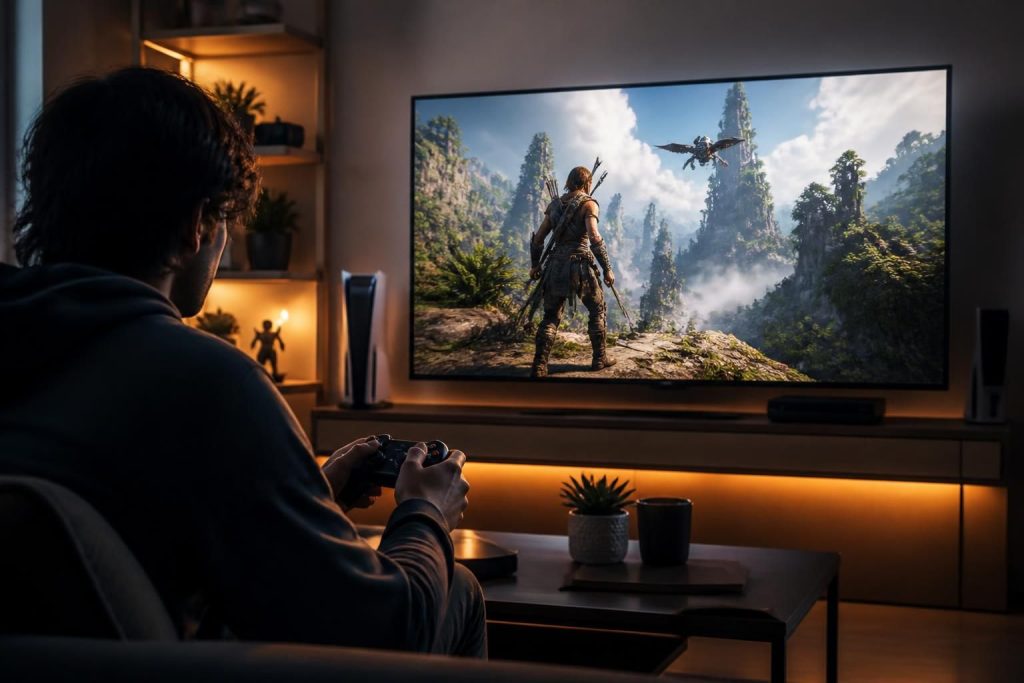
How game designers keep players engaged is a critical question that drives the success of any video game. As the industry evolves, the competition grows fiercer, demanding innovative and immersive experiences that captivate players’ attention. Engaging mechanics are the heartbeat of gaming, providing not just entertainment but also emotional investment and social interaction. Designers continually refine their approaches, using various techniques to hold players’ interest, from narrative depth to gameplay diversity.
Creating Compelling Narratives
One of the most effective ways game designers maintain player engagement is through rich storytelling. A well-crafted narrative can immerse players in a fictional world, allowing them to form emotional connections with characters and plotlines. Games like “The Last of Us” and “The Witcher 3” exemplify this technique, using character development and moral choices to shape the player experience. As players navigate complex story arcs, they remain engaged not only in the gameplay but also in the unfolding drama.
Designers employ various narrative techniques, including branching storylines, where player choices significantly affect outcomes. This approach encourages replayability, as players are motivated to explore different paths and see how their decisions impact the world, thus keeping them engaged for longer periods. By intertwining gameplay with narrative, designers create an environment where players feel invested and personally connected to their actions.
Incorporating Dynamic Gameplay Mechanics
Another critical aspect of how game designers keep players engaged involves dynamic gameplay mechanics that challenge and reward players. These mechanics can include puzzles, combat systems, or resource management that require strategic thinking and skill. Games such as “Dark Souls” and “Celeste” illustrate the importance of incorporating difficulty levels that push players to improve, fostering a sense of accomplishment and progression.
Moreover, incorporating varied mechanics within a single game can prevent monotony. For instance, a game might blend platforming, puzzle-solving, and combat, ensuring that players encounter different challenges throughout their experience. This diversity keeps gameplay fresh and encourages exploration as players are eager to see what mechanics await in each new section of the game.
Utilizing Player Feedback and Analytics
Modern game designers increasingly rely on player feedback and analytics to refine their designs. By analyzing player behavior data—such as which levels are completed quickly and which are abandoned—designers can identify pain points in the gaming experience. This information allows them to adjust difficulty, streamline controls, or enhance tutorial systems to better meet player needs.
Moreover, incorporating feedback from players through beta testing or community forums fosters a sense of community and inclusivity. When players feel their opinions are valued, they are more likely to remain engaged with the game and its developers. This collaborative approach can lead to improvements that enhance the overall gaming experience, keeping players invested in both the game and its future updates. For more on this topic, see สล็อตเว็บตรง.
Building Community and Social Interaction
Social interaction is another powerful tool in how game designers keep players engaged, especially in the realm of online gaming. Multiplayer games create opportunities for players to connect, collaborate, and compete with others around the world. Titles like “Fortnite” and “Among Us” thrive on this very principle, creating social experiences that go beyond the game itself.
Designers often include features such as team-based objectives, in-game chat, and social media integration to encourage players to communicate and build relationships. This sense of community can significantly enhance player retention; when players form friendships or rivalries, they are more likely to invest time into the game. Furthermore, esports and competitive gaming create additional layers of engagement, as players aspire to improve their skills and participate in tournaments, adding both prestige and motivation.
Implementing Reward Systems and Progression Mechanics
Developers often utilize reward systems and progression mechanics to keep players engaged by providing a sense of achievement and motivation. These systems can take many forms, from leveling up characters to unlocking new abilities or cosmetic items. Games like “Destiny 2” and “Call of Duty” are known for their robust progression systems, encouraging players to continue playing to reach new milestones.
The careful design of these systems is crucial; rewards should be meaningful and appropriately timed to maintain player interest. If players receive rewards too frequently, the sense of achievement can diminish; conversely, if rewards are too sparse, players may lose motivation. Balancing these elements is key to crafting an engaging experience that keeps players returning for more.
Additionally, seasonal content updates can maintain interest over time, as players are enticed back into the game to explore new features and challenges. This ongoing engagement ensures that players remain invested for the long haul, creating a dedicated player base.
In conclusion, understanding how game designers keep players engaged involves examining a blend of compelling narratives, dynamic gameplay mechanics, player feedback, community building, and effective reward systems. Each element plays a vital role in creating immersive experiences that captivate and hold the attention of players. As technologies and player expectations continue to evolve, so too will the methodologies employed by designers, ensuring that the quest for engagement remains at the forefront of game development.