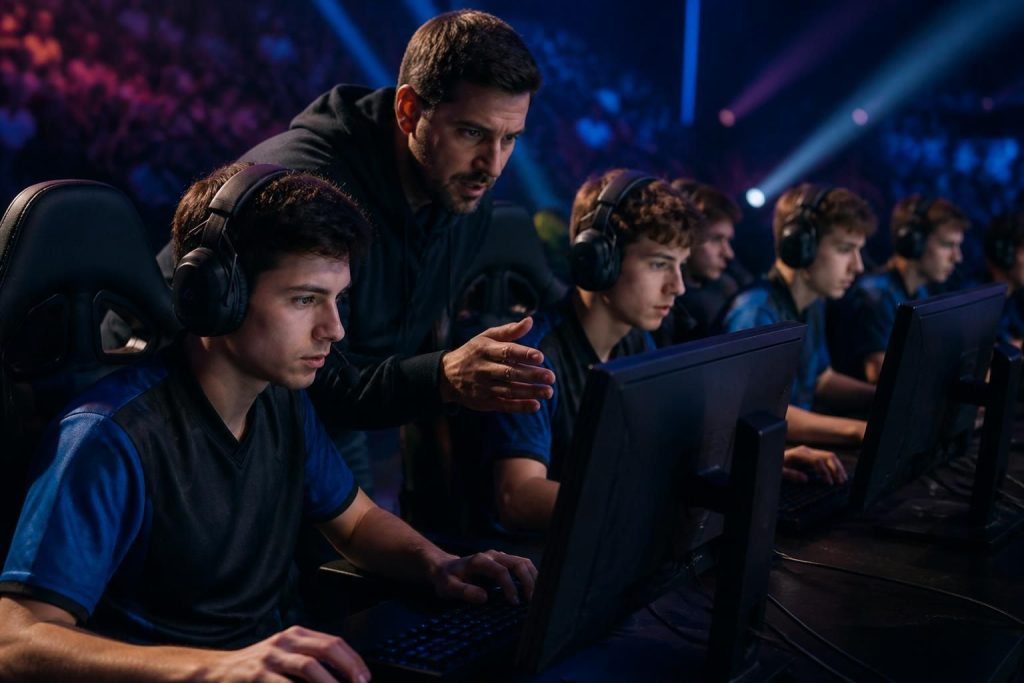
Esports teams and coaching have emerged as critical components in the rapidly evolving landscape of competitive gaming. As esports continue to gain traction worldwide, the need for effective coaching strategies has never been more pronounced. This article delves into the intricacies of coaching within esports, examining the strategies that foster success, the dynamics of team synergy, and the role of analytics in shaping performance outcomes.
Understanding the Role of Coaches in Esports
Coaches in esports serve a multifaceted role that transcends mere tactical instruction. Unlike traditional sports, where coaching often revolves around physical training and strategy, esports coaching requires a blend of psychological support, game knowledge, and communication skills. Effective coaches understand the unique dynamics of their games, whether it’s สล็อต or first-person shooters, enabling them to tailor their training methods to individual players’ strengths and weaknesses.
In addition to developing players’ skills, coaches focus on fostering a cohesive team environment. This often involves conflict resolution, team-building exercises, and creating a supportive atmosphere where players feel comfortable sharing their insights. By cultivating an environment of trust, coaches can enhance team morale, which is crucial for optimal performance during high-stakes competitions.
Team Composition and Synergy: Key Factors for Success
The composition of an esports team significantly impacts its success. Coaches must carefully balance individual player skills with team dynamics to maximize performance. Different games may require specific roles, such as sharpshooters, strategists, or support characters. A successful coach recognizes the strengths and weaknesses of each player and builds a roster that complements these traits.
Team synergy is another cornerstone of effective esports teams. Successful teams often exhibit a level of communication and coordination that can only be developed through practice and understanding. Coaches can facilitate this by implementing structured training sessions that emphasize teamwork and collaborative strategies, allowing players to learn how to effectively work together under pressure.
The Impact of Data Analytics on Coaching Strategies
As esports matures, the integration of data analytics into coaching strategies has become increasingly important. Coaches now leverage performance metrics and game statistics to inform their tactics and player development. This analytical approach enables coaches to identify trends, assess weaknesses, and track improvements over time.
For instance, a coach may analyze in-game data to pinpoint areas where players struggle or excel. By providing targeted feedback based on solid statistics, coaches can tailor their training programs to strengthen specific skills or strategies. This data-driven methodology not only enhances individual player performance but also contributes to overall team effectiveness.
Training Methods: From Traditional to Innovative Approaches
Esports coaching has evolved from traditional training methods to innovative approaches that cater to the unique demands of competitive gaming. While physical conditioning plays a role, mental resilience and cognitive training are equally important. Coaches often incorporate techniques such as mindfulness, reaction time drills, and scenario simulations to prepare players for high-pressure situations.
Moreover, with the rise of online platforms and streaming services, coaches can utilize technology to enhance their training methods. Tools like video analysis software allow coaches to review gameplay footage with players, providing critical feedback and facilitating discussions about strategy and execution. As the esports landscape continues to grow, these innovative training methods will likely play a pivotal role in shaping future teams.
The Future of Esports Teams and Coaching
The future of esports teams and coaching looks promising as the industry continues to expand. With more organizations recognizing the importance of professional coaching, we can expect to see a growing emphasis on strategic development and player psychology. Moreover, as technology advances, coaches will likely have access to even more sophisticated tools for analyzing performance, enhancing strategy, and developing talent.
As esports teams seek to gain a competitive edge, the role of coaching will only become more integral. By combining traditional coaching principles with innovative techniques and data analytics, teams can better prepare for the challenges that lie ahead. This evolution is crucial not only for the success of individual teams but for the continued growth of esports as a legitimate and respected competitive arena.
In conclusion, esports teams and coaching represent a dynamic intersection of strategy, teamwork, and technology. Coaches play a vital role in shaping not just the skills of individual players but also the overall cohesion and effectiveness of their teams. As the industry progresses, embracing innovative coaching methods and leveraging data analytics will be essential for teams striving for success in this competitive landscape.